Keep the screen you already have, or upgrade it properly. In most modern vehicles we add CarPlay and Android Auto behind the factory display — the dash stays original and nothing is cut into your interior.
#129 10985 38 St NE, Calgary AB · Monday to Saturday, 10:30 a.m. to 6:30 p.m. · Lifetime warranty on the installation
Steering wheel controls and factory screens retained where the vehicle allows.
Both are available; which you get depends on the hardware your vehicle takes.
What your car needs decides the price. You approve it before we start.
If our work fails, bring it back for as long as you own the vehicle.
CarPlay and Android Auto put your phone’s maps, music, messages and calls on the screen already in your dash, controlled without picking the phone up. Getting them into a vehicle that did not come with them is what this page is about.
In most modern vehicles the factory screen is worth keeping. An integration interface sits behind it and adds CarPlay as another source, so the dashboard looks stock, the factory menus still work, and there is no aftermarket rectangle where the trim used to be. Where the factory screen is small, slow or broken, a replacement head unit is the better answer.
Which route your vehicle takes is not a matter of preference — it depends on the car. Send us the year, make and model and we will tell you which one applies, including when integration is not possible.

These are not interchangeable. What your vehicle supports depends on the factory radio, the screen it came with and whether it runs a premium audio system.
An interface behind the original display adds CarPlay and Android Auto as another source. The dash stays completely stock and the factory menus keep working. The cleanest option where the vehicle supports it.
The original radio is replaced with a modern touchscreen. The right answer for older vehicles, or where the factory screen is small, slow or has failed. Steering wheel controls are retained.
Larger displays built for a particular model, including tall vertical screens for vehicles that never came with one. Availability depends entirely on the vehicle.
There is a fourth, smaller job worth knowing about: if your vehicle already has wired CarPlay and you are tired of plugging in, a wireless adapter plugs into the existing USB port and connects on its own. It only works where wired CarPlay is already present — we check that before you buy anything.
The whole point of doing this properly is that nothing you already rely on stops working.
A cheap install gets the screen playing and leaves you to discover what it broke. The work is in the interface: the module that sits between your phone and the car has to speak the vehicle’s language so the systems around it carry on as before.
How much carries over depends on the vehicle and the interface it takes. Some cars hand everything across cleanly. Some need extra hardware for one specific function. A few will not give up a particular feature at all — and when that is the case we tell you before you book, not afterwards.
None of that is a universal promise. What carries over is decided by your year, make and model and the interface it needs — we confirm the list for your vehicle before any work is booked.
Connects the moment you start the car with the phone still in your pocket. Best if your trips are short and you are in and out of the vehicle all day.
More stable on a long drive, and it charges as you go. Best if you cover distance or use navigation for hours at a time.
Many units do both, and both Apple CarPlay and Android Auto are available wired or wireless — but not on every piece of hardware. Which connection types you get is decided by the head unit or interface your vehicle takes, so we confirm it as part of the recommendation rather than assuming.
If your vehicle came with a branded audio system — Bose, JBL, Harman Kardon, Infinity, Alpine or another factory amplifier package — the radio is not simply driving the speakers. There is an amplifier and often a processor between the two, and the car expects the original head unit to keep talking to them.
That changes what the job needs. Removing or bypassing the factory radio without accounting for the amplifier is how people end up with no sound, half the speakers working, or a system that will not switch on. The fix is a vehicle-specific interface that keeps the factory amplifier in the loop and hands it a signal it recognises.
It is a compatibility question, not a brand question. We are not a dealer for any of those brands — we fit the interface your particular system needs so the audio comes back exactly as it was.
Systems this commonly applies to
What it usually means
Tell us the trim level as well as the model when you enquire — the same car with and without the premium system can need different parts.
Retained. Volume, track and phone stay on the wheel where they have always been. On a head unit swap this is done with a control interface matched to the vehicle; on a factory-screen integration the buttons never leave the car’s own system.
Carried across wherever the interface supports it, so reverse still brings the camera up. Some vehicles route the camera in a way that needs an extra adapter, and a few will not hand it over at all — we check yours before quoting.
If your vehicle has no camera today, a new screen is the cheapest moment to add one, because the dash is already apart and the wiring is already run.
Send your year, make, model and trim. We work out what the car supports, whether it has a premium audio system, and which route it needs.
We tell you which of the three routes applies, what carries over, and what it costs on your vehicle. Nothing is started until you have said yes.
Drop the vehicle off. The interface is fitted behind the trim, wired properly and configured for your car rather than left on a generic default.
We pair your phone, run through the controls, check the camera and hand it back working. Most installs are finished the same day.
Open Monday to Saturday, 10:30 a.m. to 6:30 p.m. Closed Sundays.
Where a vehicle takes a replacement head unit or a model-specific screen, the hardware brings its own features. Two are worth asking about specifically, because they are what you notice every single trip: how quickly the unit wakes up, and how quickly it connects to your phone once it has.
A screen that takes its time to boot is a screen you resent at every short journey. We will tell you how the unit we are recommending behaves rather than quoting a number at you.
Not every unit offers every item on that list. Which features you actually get depends on the model chosen for your vehicle, and we go through it with you before ordering anything.
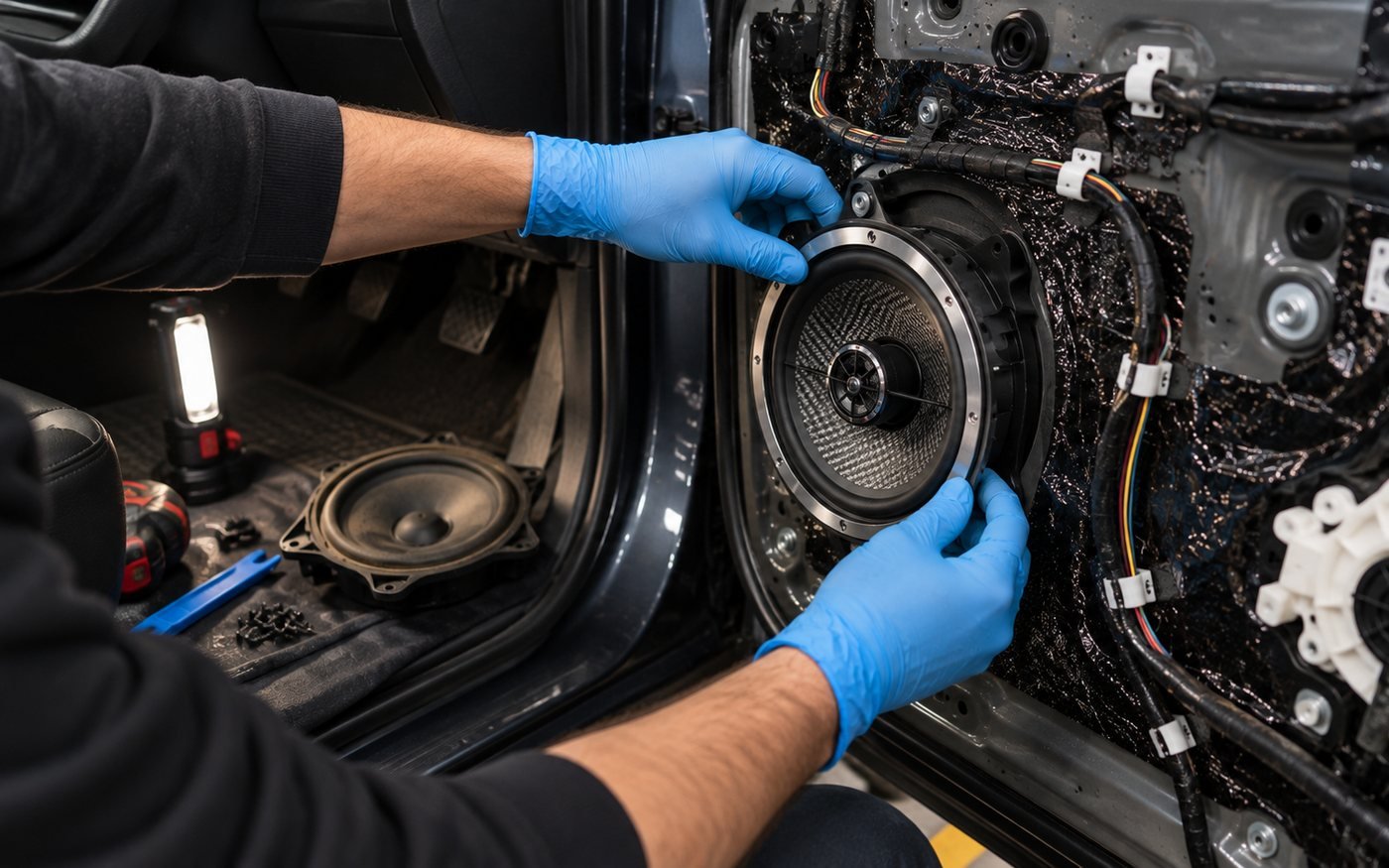
Getting a screen to light up is the easy part. The job is everything around it — choosing the interface that matches your exact vehicle, wiring it so the car’s own systems still see what they expect, and putting the dashboard back so it looks like nobody was ever in there.
Modern vehicles are unforgiving about this. There are data buses behind the dash that do not tolerate being spliced into, airbag wiring that must not be disturbed, and modules that will log faults if the electrical system is loaded incorrectly. Trim clips break if they are removed cold and in a hurry.
In most modern vehicles, yes. An integration interface adds CarPlay and Android Auto behind the factory display, so the dashboard stays original and the car’s own menus keep working. Whether it is possible depends on your year, make and model, and we confirm that before you book.
Yes. Android Auto is included on effectively everything we fit, so a household with both an iPhone and an Android phone is covered by the same install.
No. Steering wheel audio controls are retained. On a head unit swap that is done with a control interface matched to the vehicle; with factory-screen integration the buttons never leave the car’s own system.
In most cases yes, and reverse still brings it up as before. Some vehicles route the camera in a way that needs an extra adapter, and a few will not hand it over at all. We check yours as part of the quote rather than finding out on the day.
It changes the parts, not the outcome. A factory amplifier sits between the radio and the speakers and has to be kept in the loop, which means a vehicle-specific interface. Mention the trim level when you enquire, because the same model with and without the premium system can need different hardware.
Usually, and without a new head unit. A wireless adapter plugs into the existing USB port and connects on its own once you get in. It only works where wired CarPlay is already there — we confirm your vehicle supports it before you spend anything.
Most installs are finished the same day. An integration interface and a full head unit replacement are different jobs, so we confirm the time along with the quote when you book.
It depends on the vehicle and which route it needs — the factory radio, whether there is a premium audio system, the interfaces required, any mounting kit, camera retention and steering wheel integration all feed into it. Send your year, make and model and we will price it before any work starts.
We take on most makes and model years, and older vehicles are a normal part of the work rather than an exception. The honest answer for any specific car is that we check it first — and if yours is one that genuinely cannot take it, we will say so.
Send the details and we will come back with a price for your vehicle. No call centre, no generic quote.
A screen job means the trim is already off and the wiring is already run, so these are the cheapest add-ons to do at the same visit.

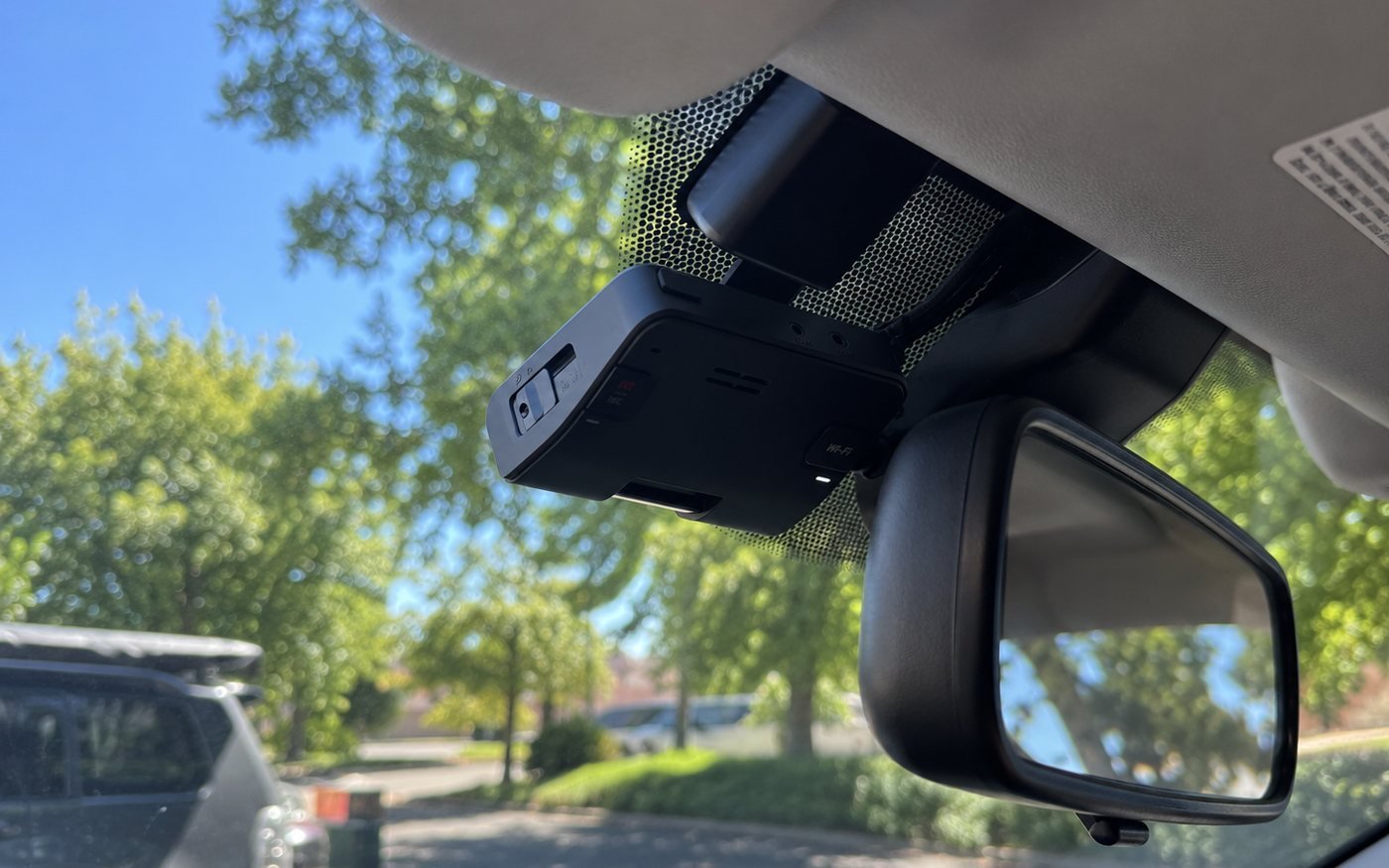
Hard-wired and hidden, with parking mode on a proper power source.
Dashcam installation →
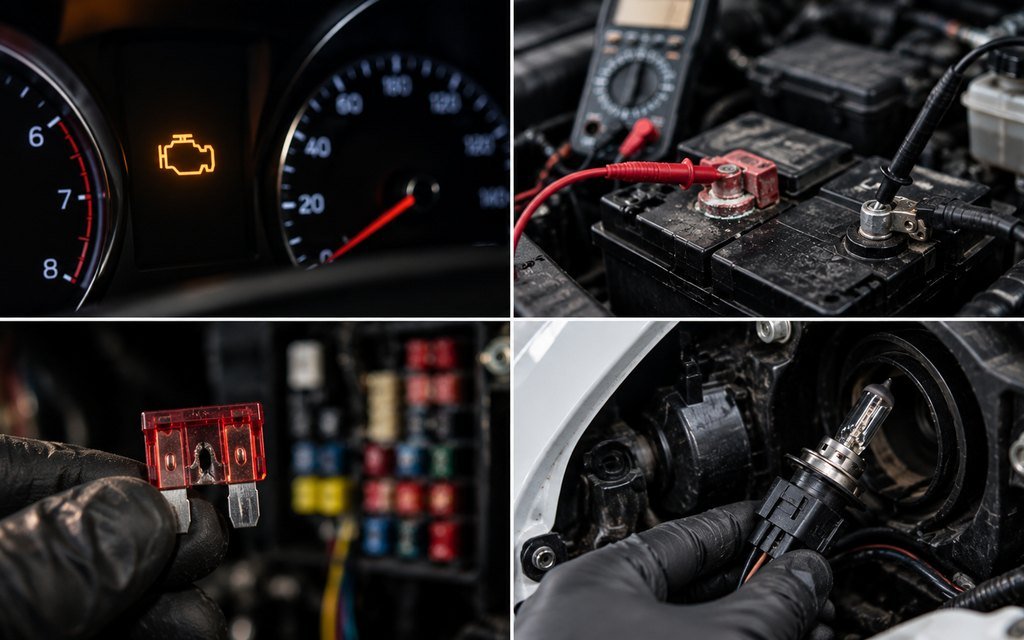
If something has stopped working, we find out why before replacing it.
Auto electrical →That is all we need to tell you which route your vehicle takes, what carries over, and what it costs — before you book anything.